

keynotes
Meet Our Keynote Voices
Opening Ceremony & Keynote
Thursday, April 16 | 3 – 5 PM
Session Title: Manufactured Doubt: Health and Science Misinformation and the Fight for Trust

Health misinformation has become a defining challenge of our time—shaping public opinion, undermining trust in science and institutions, and worsening health outcomes. This session brings together leading experts to examine how health misinformation takes root, how it is amplified through political and foreign influence, and what coordinated responses are needed to address it in Canada.
The session will begin with a patient partner perspective. Lydia Greene will share her personal journey of overcoming anti-vaccine beliefs and rediscovering trust in science-based medicine, offering a powerful entry point into the real-world impacts of health misinformation.
Timothy Caulfield will then explore Health Misinformation & Political Identify. Our information environment has become increasingly chaotic and filled with misleading, harmful, and exploitive content. This is doing grave harm. Research tells us that much of the spread and embrace of this health misinformation is driven by political identity. Indeed, for some topics – such as vaccines, unproven therapies, and extreme diets – political identity has emerged as the single most predictive variable associated with belief. How did we get here and what can we do?
Marcus Kolga will focus on, Manufacturing Doubt: Foreign Health-Related Information Operations, examines how foreign adversaries, including Russia, have weaponized health disinformation since the Cold War through the COVID-19 pandemic and into the present day. It explores how these operations are designed to divide Western societies, erode trust in science and institutions, and deliberately amplify the physical, social and political damage of public health crises.
Stan Kutcher will conclude with Potential organized responses to health disinformation in Canada. Health disinformation is widespread in Canada and has pernicious impacts. Effectively addressing this take commitment, funds and a very active and effective pre-bunking and de-bunking response that can be trusted by the various communities that make up Canadian society. Governments are either unable or unwilling to take on this responsibility and thus civil society organizations must take on this task. In Canada, we need a coordinated strategy directed nationally effort to address this challenge. Consideration of different approaches will be made.
By attending this session, participants will be able to:
- To outline the decline in general scientific knowledge in our communities and the processes used by those aiming to share misinformation. To bias and influence people.
- Explain different roles that government and civil society have in addressing health disinformation and outline gaps in the work that needs to be done.
- Discuss practical and impactful healthcare lead initiatives that could be created to effectively address health disinformation.
Senate of Canada, Senator
Department of Psychiatry, Faculty of Medicine, Dalhousie University, Professor Emeritus
Senator Dr. Stan Kutcher is an independent Senator appointed to the Senate of Canada in 2018. He is also a Professor Emeritus at Dalhousie University where he previously served as Department Head of Psychiatry, the Associate Dean of International Health, Director of the World Health Organization Collaborating Center in Mental Health Policy and Training and the Sun Life Financial Chair in Adolescent Mental Health.
Among earlier accomplishments, he developed the first academic/community integrated youth mental health program in Canada and conducted award winning research into psychiatric diagnoses in young people, neurobiology of early onset mental disorders and psychopharmacology of mental disorders. He pioneered the global development of youth mental health literacy interventions and the integration of best available evidence-based youth mental health interventions in primary health care in Canada and abroad. He led the development of a national youth mental health framework for Canada (Evergreen) and was a founding member of the Board of the Institute of Neuroscience, Mental Health and Addictions of the Canadian Institutes of Health Research.
In the Senate, he has been a tireless advocate for funding basic science research and combating health related misinformation and disinformation. As part of this work, Senator Dr. Kutcher co-founded ScienceUpFirst, a national initiative working to fight misinformation and promote scientific understanding.
Director, Disinfowatch, Senior Fellow Raoul Wallenberg Centre for Human Rights
Senior Fellow Macdonald Laurier Institute
Marcus Kolga is a Canadian journalist, filmmaker, and leading expert on Russian disinformation, foreign interference, and Central and Eastern European affairs. For nearly two decades, he has monitored, analyzed, and exposed authoritarian information and influence operations targeting Canada, NATO allies, and democratic institutions.
He led the Canadian civil society campaign that resulted in the adoption of Magnitsky human rights sanctions and has testified before parliaments and policy bodies in Canada and abroad on disinformation, human rights abuses, and transnational repression. In recognition of his advocacy, he is one of only three Canadians sanctioned by both the Russian and Chinese governments.
Marcus is the founder of DisinfoWatch.org, a platform tracking and analyzing foreign disinformation targeting Canada, and is a Senior Fellow at the Macdonald-Laurier Institute, the Raoul Wallenberg Centre for Human Rights, and the CDA Institute. He is a regular commentator in Canadian and international media on foreign policy, security, and human rights.
CM, LLM, FRSC, FCAHS, FRCPSC (Hon)
University of Alberta, Professor
Health Law Institute, Research Director
Timothy Caulfield is a Professor in the Faculty of Law and the School of Public Health, and Research Director of the Health Law Institute at the University of Alberta. He was the Canada Research Chair in Health Law and Policy for over 20 years (2002 – 2023). His interdisciplinary research on topics like stem cells, genetics, research ethics, the public representations of science, and public health policy has allowed him to publish almost 400 academic articles. He has won numerous academic, science communication, and writing awards, and is a Member of the Order Canada and a Fellow of the Royal Society of Canada, the Canadian Academy of Health Sciences, and the Committee for Skeptical Inquiry. He contributes frequently to the popular press and is the author of national bestsellers, including: The Cure for Everything: Untangling the Twisted Messages about Health, Fitness and Happiness (Penguin 2012); Is Gwyneth Paltrow Wrong About Everything?: When Celebrity Culture and Science Clash (Penguin 2015), and Relax, Dammit!: A User’s Guide to the Age of Anxiety (Penguin Random House, 2020). His most recent book, a #1 national bestseller, is The Certainty Illusion: What You Don’t Know and Why It Matters (Penguin Random House, 2025). Caulfield is also the co-founder of the science engagement initiative #ScienceUpFirst and has written, hosted and produced documentaries, including the award-winning TV show, A User’s Guide to Cheating Death, which has been shown in over 60 countries.
lLPN
Back to the Vax, LPN
Lydia Greene is a married mother of 3 who lives in the Alberta Rockies. Once a crunchy mom who was against vaccinations, she is now a nurse who advocates fiercely for vaccination and evidence based medicine. She offers support to parents who want to increase their confidence in vaccination through her grassroots movement Back to the Vax
Keynote
Friday, April 17 | 10 – 11 AM
Session Title: The Case for Compassion: Reframing compassion as a source of strength
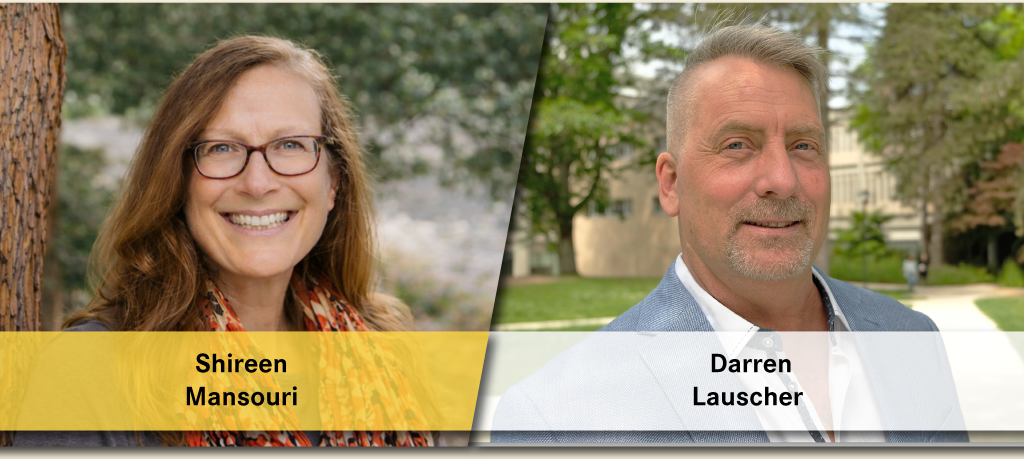
Although compassion is often assumed as foundational in health care, it is also seen at best as a “soft skill” and at worst leading to “compassion fatigue”. In this conversation we will discuss the concrete benefits of compassion in health care and the neurophysiologic evidence for compassion as a strength.
By attending this session, participants will be able to:
- Define compassion in healthcare and distinguish it from related concepts such as empathy, sympathy, and patient-centered care.
- Describe the evidence-based benefits of compassionate care for patients, healthcare providers, and health systems, including impacts on patient outcomes, and provider wellness.
- Identify common barriers to practicing compassion in healthcare and explore strategies to overcome these challenges at individual and institutional levels.
- Develop strategies for integrating compassion into clinical teaching, supervision, and assessment.
MD CCFP(EM) FCFP
Compassion Institute, Health Content Lead
Shireen is a family physician who has worked the majority of her career in the Northwest Territories of Canada. She first took CCT in 2014 and found it transformative for herself and her practice of medicine. She became a certified CCT teacher in 2019. Since then she has worked to bring Compassion Cultivation to health care communities.
She completed her medical degree at Queen’s University in Ontario Canada, and then obtained her training in Family Medicine in Newfoundland Canada. She also completed an extra year training in emergency medicine. Over her career she has provided full spectrum family practice including emergency care, intrapartum care, obstetrical ultrasound and remote community support. She has held leadership positions including Area Medical Director for the Northwest Territories Health Authority and sitting on the board of the Canadian Medical Association. She currently lives in Calgary Alberta and continues to work as a GP Oncologist and family physician in Yellowknife NWT Canada.
University of British Columbia, Patient Partner
Darren Lauscher is a Patient Advocate and educator whose work is grounded in more than four decades of lived experience with HIV and extensive engagement in the healthcare system. His journey has cultivated a profound understanding of compassion, collaboration, and patient-centered care as essential components of improved health outcomes.
His contributions span community-based and academic research, where he actively bridges lived experience and education. He is dedicated to integrating patient perspectives into academic learning, enriching traditional instruction with real-world narratives that promote compassion, reflection, and human-centered practice. His work fosters interdisciplinary learning environments that unite research, education, and lived experience.
He currently serves as co-chair of a provincial network board and the Patient Advisory Committee reporting to the University of British Columbia (UBC) Health Council, where he also holds a council seat. A community member of the Canadian HIV Trials Network Plus (CTN+), he contributes to multiple advisory committees advancing equitable and inclusive healthcare research. Through UBC’s Health Mentor Program, he supports emerging health professionals in recognizing the transformative value of lived experience in clinical practice and research.
Through his national and international collaborations, he continues to champion the central role of the patient voice in health education, research, and policy development.
Gairdner Lectures & Panel
Saturday, April 18 | 10 – 11:30 AM
André Briend | Session Title: Progress and challenges in the management of severe acute malnutrition
Meghan Azad | Session Title: Human Milk: the Ultimate Superfood and Personalized Medicine
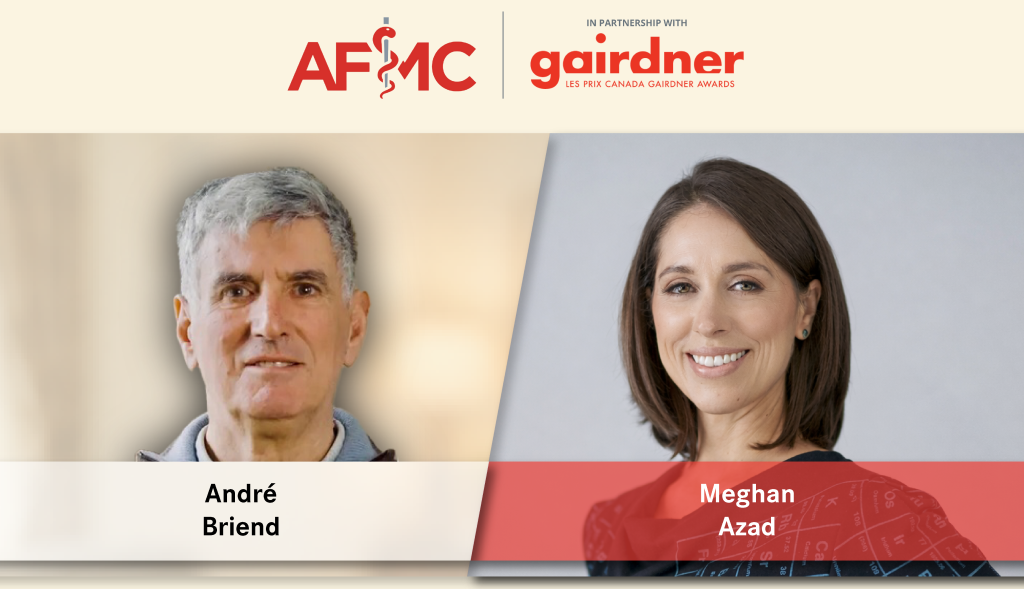
Gairdner Award Lecture: André Briend
Progress and challenges in the management of severe acute malnutrition
Severe acute malnutrition is associated with a high risk of death. Previously, only a small proportion of these children could be treated, as recommended treatment using liquid milk-based diets required hospital-based care. With the development of solid ready-to-use therapeutic foods resistant to bacterial contamination, most children can now be treated within the community. This enabled mass treatment programmes taking care of several million children every year. Yet, many children remain untreated. And with current cuts in food aid, many programmes face major difficulties. Prevention would preferable to treatment, but despite some progress, major obstacles remain, in particular access to nutrient dense foods. The presentation will discuss both the progress made in recent years and remaining challenges.
By attending this session, participants will be able to:
- Summarize recent progress in the treatment of severe acute malnutrition and the move to mass treatment
- Access remaining challenges, in particular problems met for funding programmes, limited access to treatment and need to improve treatment protocols
- Analyze current approaches for prevention, their success and limitations and perspective of improvement
Gairdner Award Lecture: Meghan Azad
Human Milk: the Ultimate Superfood and Personalized Medicine
Human milk is the original superfood: a perfectly balanced source of nutrition enriched with a remarkable array of bioactive components that support infant growth, immune maturation, cognitive development, and microbiome establishment. It is dynamic and personalized, continuously adapting to meet the evolving needs of each infant. Beyond its biological sophistication, human milk is a powerful driver of health equity. Breastfeeding disparities mirror and magnify broader social inequities, influencing both short- and long-term health outcomes. This presentation will explore human milk as both food and medicine, describe how it shapes early life biology, and highlight its essential role in promoting population health and advancing health equity.
By attending this session, participants will be able to:
- Justify the importance of human milk as both ‘food and medicine
- Explain how breastfeeding shapes the infant microbiome and lifelong health
- Discuss how health equity is supported through breastfeeding and related public health policies
Gairdner Panel
This panel will explore how nutrition and the microbiome connect treatment of severe acute malnutrition with prevention of infection, growth faltering, and longer-term health risks across diverse global settings. Speakers will reflect on biological, programmatic, and policy perspectives to highlight opportunities for more integrated and equitable nutrition strategies.
By attending this panel, participants will be able to:
- Recognize how the microbiome provides a common lens linking malnutrition treatment, early feeding, and long-term health.
- Reflect on similarities and differences in nutrition challenges and opportunities across diverse global and income settings.
- Identify broad gaps and opportunities for better alignment between treatment-focused and prevention-focused nutrition approaches.
MD, PhD
University of Tampere, Tampere Center for Child, Adolescent and Maternal Health Research, Faculty of Medicine and Health Technology, Tampere University and Tampere University Hospital, Tampere, Finland, Adjunct Prof
University of Copenhagen, Department of Nutrition, Exercise and Sports, Faculty of Science, University of Copenhagen, Frederiksberg, Denmark, Affiliated Prof
Dr André Briend, a Medical Doctor from Paris University with a PhD in Human Nutrition, was rectruited in 1975 by the Institut de Recherche pour le Développement (France) to conduct research on child nutrition in developing countries. He then worked in Senegal at the Office de Recherche sur l’Almimentation et la Nutrition Africaines and in Bangladesh at the International Centre for Diarrhoeal Disease Research, Bangladesh. In these two coountries, he worked on the association between nutritional status and mortality and showed that children with high risk of death can be identified by a simple measure of the mid-upper arm circumference. After coming back to France in 1989, he collaborated with several non-governmental origasinsations to improve the management of malnourished children. In the late 90’s, he played a key role in the development of Ready-to-Use Therapeutic Foods which led to a revolution in the management of severe acute malnutrition. Dr Briend joined WHO in 2004 and worked at the department of Child and Adolescent Health. He retired from WHO in 2009 and is now Adjunct Professor at the University of Tampere, Department for International Health, Finland, and Affiliated Professor, Department of Nutrition, Exercise and Sports, Faculty of Science, University of Copenhagen, Denmark. He continues to collaborate with different research teams to improve the treatment of malnourished children. Dr Briend received in 2025 the John Dirks Canada Gairdner Global Health Award.
PhD
University of Manitoba, Professor, Pediatrics and Child Health
Manitoba Interdisciplinary Lactation Centre (MILC), Research Scientist
Dr. Azad is a Professor of Pediatrics and Child Health at the University of Manitoba, where she holds a Tier 2 Canada Research Chair in Early Nutrition and the Developmental Origins of Health and Disease. Her research program is focused on the role of infant nutrition and the microbiome in child growth, development and resilience. Dr. Azad Directs the Manitoba Interdisciplinary Lactation Centre (MILC) and leads the International Milk Composition (IMiC) Consortium. She serves as Knowledge Mobilization Chair of the CHILD Cohort Study, a national pregnancy cohort following 3500 children to understand how early life experiences shape lifelong health. Research in the THRiVE Discovery Lab is funded by the Canadian Institutes of Health Research, the US National Institutes of Health, the Canada Foundation for Innovation, and the Bill and Melinda Gates Foundation. Dr. Azad serves on the International Society for Research in Human Milk and Lactation Executive Council and the Advisory Board to the Canadian Breastfeeding Research Network. She is a Fellow of the CIFAR Humans and the Microbiome Program, an elected member of the Royal Society of Canada College of New Scholars. Dr. Azad was named among the WXN Canada Top 100 Most Powerful Women (2020) and Canada’s Top 40 Under 40 (2021). She is a recipient of the International Human Milk Genomics Mid-Career Investigator Award (2020) and the Gairdner Momentum Award (2024).
Closing Keynote & Ceremony
Sunday, April 19 | 10 – 11:30 AM
Session Title: Food Deserts: How Access to Nutritious Food Impacts Health
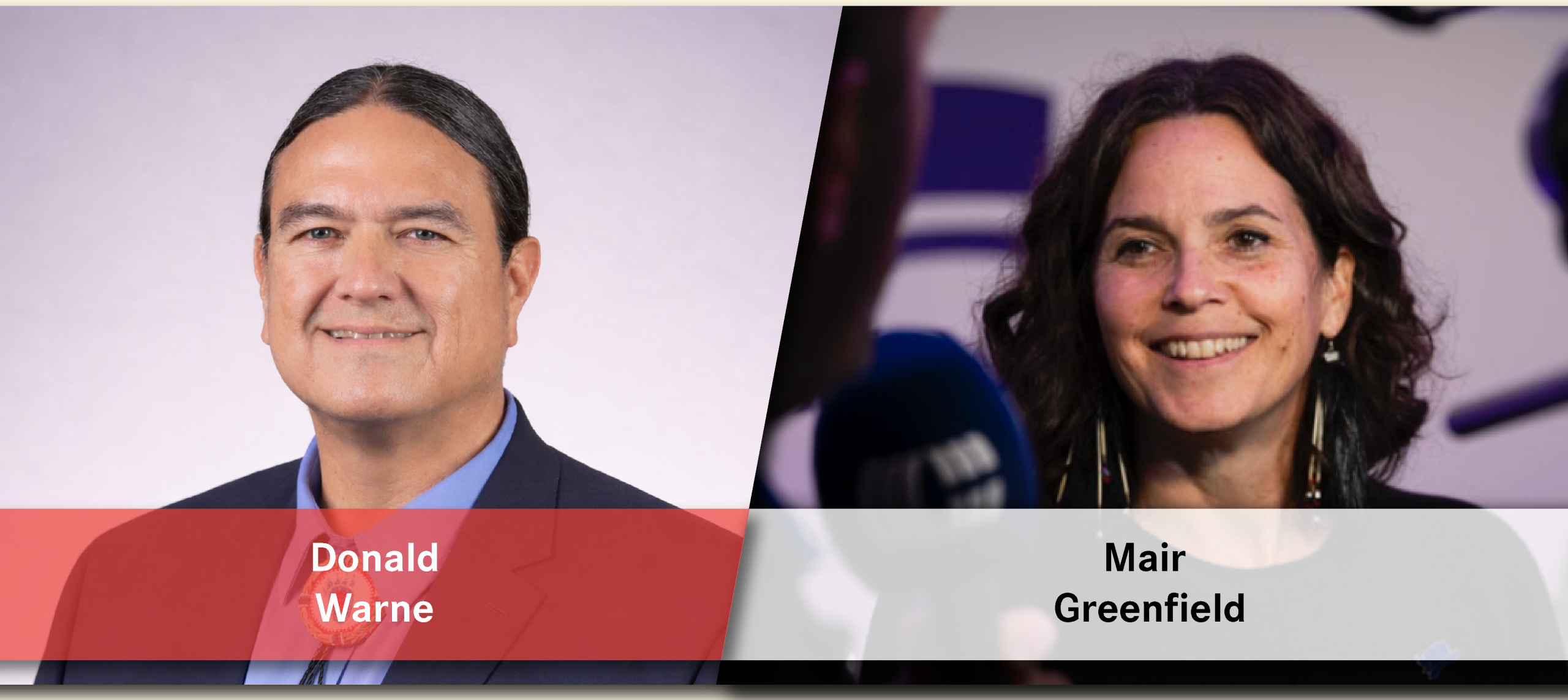
Society struggles with food in various ways in 2026. From a social accountability perspective, food insecurity and scarcity are top of mind in for people and communities to thrive. We don’t hear about food access often enough, as our social media outlets focus rather on dieting and the achievement of perverse physique “ideals” over health.Public discourse often prioritizes individual responsibility and body ideals over structural drivers of nutrition and health, obscuring the systemic nature of food insecurity.
In many areas globally access to nutritious food remains an issue – yes, even in high resource countries. People struggle to access produce and fresh foods, having access instead to heavily processed foods. The impact of consuming the latter on health is undeniable. In this session, we will hear from those who work first hand with those struggling with food scarcity, integrate the notion of food prescribing for patients and develop strategies and actions that can make impactful change in human development, prevention and wellbeing and also clinical care.
By attending this session, participants will be able to:
- Link structural and social determinants of health to food accessibility and disproportionately impact specific populations
- Recognize and integrate the concept of ‘food deserts’ and their impact on many communities
- Synthesize action plans for individuals and communities that can and will reduce food insecurity in both research and clinical care
MD, MPH
Co-director, John Hopkins Center for Indigenous Health
Donald Warne, MD, MPH, is a professor in International Health and co-director of the Johns Hopkins Center for Indigenous Health. He is an acclaimed physician, one of the world’s preeminent scholars in Indigenous health, health education, policy and equity, as well as a member of the Oglala Lakota tribe from Pine Ridge, South Dakota. He is also Johns Hopkins University’s provost fellow for Indigenous Health Policy.
Gord Downie & Chanie Wenjack Fund, Director, Education
Nourishing Health Education Coalition, Member
Mair Greenfield is Director of Education at the Gord Downie & Chanie Wenjack Fund, where she leads the Legacy Schools program, a national initiatives advancing awareness, education, and connection in support of reconciliation and Indigenous-led learning. Her work is rooted in a lifelong commitment to food as a commons, a form of medicine, and a foundation of sovereignty.
Previously, Mair worked with Nourish, where she co-authored the short course Food Is Our Medicine, helping shape public and policy conversations toward food-based approaches to health and well-being. She has also designed and built digital libraries for communities without access to the internet or educational resources, creating community led pathways for learning, food sovereignty, and land-based knowledge sharing.
Throughout her career, Mair has partnered with educators, Indigenous leaders, policy makers, and community organizations to reimagine food systems that are equitable, relational, and rooted in care and love. Her leadership reflects a deep belief that food is not only nourishment, but a living prescription for individual, community, and planetary health.